
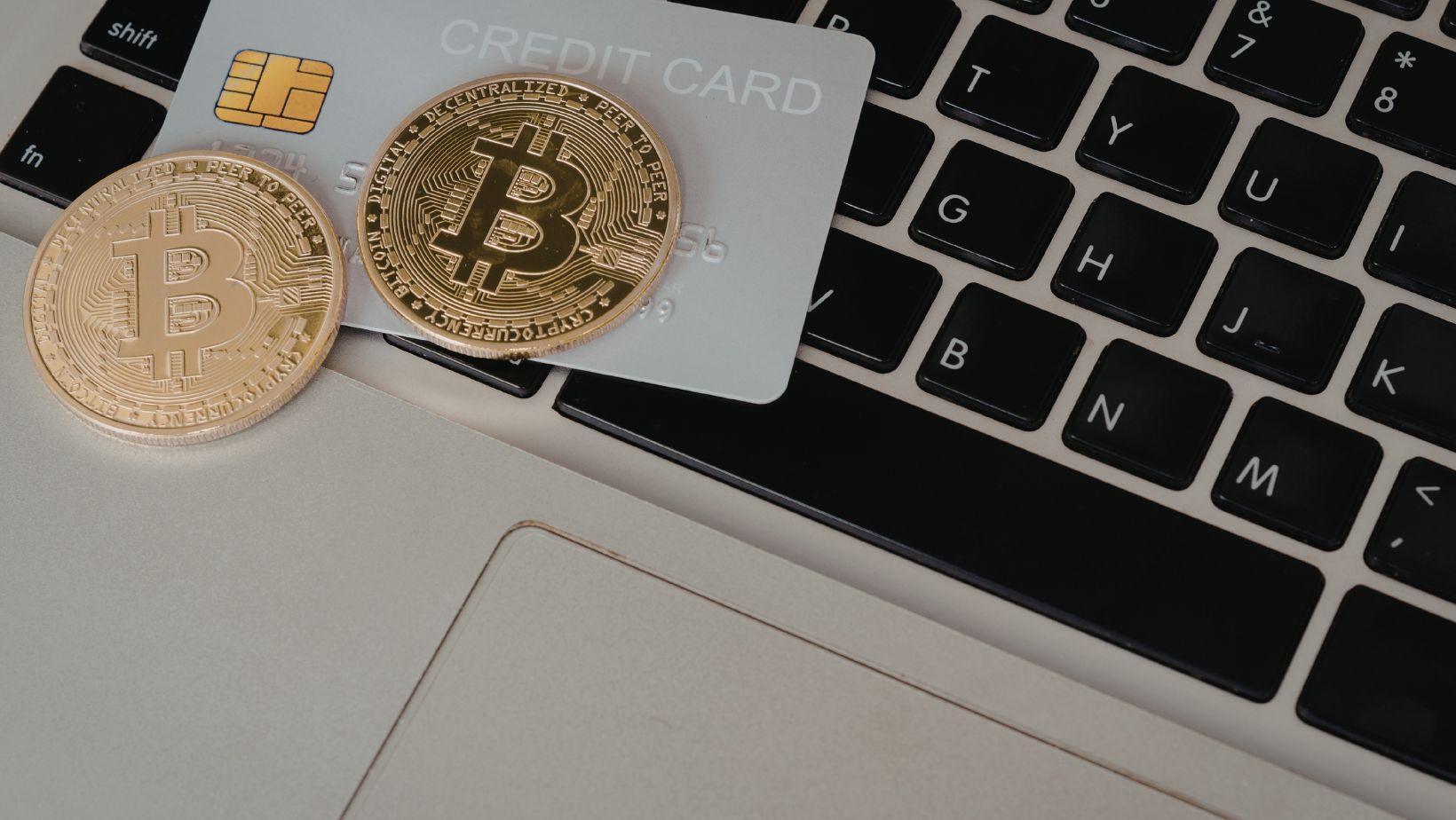
Payment design shapes digital entertainment, from game purchases and concert passes to creator tips. Cryptocurrency introduces another way to transfer value alongside cards, bank transfers and mobile wallets. The useful question is what it changes for a particular service: settlement times, fees, dispute handling, access and the customer's experience.
Where Digital Payments Can Add Friction
Traditional financial networks were built for physical retail and large batch settlements, not millions of tiny, borderless digital transactions. When a viewer sends a two-dollar tip to a creator in another country, fixed processing fees and currency conversion spreads can consume a substantial share of the transfer. Chargebacks add another layer of friction. Digital goods cannot be returned once consumed, yet merchants and platforms routinely absorb disputed card charges alongside administrative penalties.
Cross-border access presents an equally stubborn hurdle. Online entertainment is global by default, but banking access is fragmented. Fans in regions with limited international card coverage or strict foreign exchange controls often hit a wall at checkout even when they have the funds to pay. Settlement delays further complicate operations for platforms that pay out thousands of independent creators, developers, and rights holders every month.
How Blockchain Settlement Changes the Economics
Cryptocurrency networks can support transfers between digital wallets without using the same chain of intermediaries as a card payment. A platform might receive tokens directly or through a processor that converts them into ordinary currency. Confirmation time, settlement certainty and transaction cost depend on the network, its congestion and the service handling the payment. A transaction appearing on a ledger is not always the same as a merchant receiving spendable bank funds, particularly when conversion or compliance checks remain.


Direct blockchain transfers generally lack the chargeback process attached to card payments. That changes how disputes are handled; it does not eliminate fraud, account theft or obligations to provide refunds. Platforms may still retain reserves or delay payouts for operational reasons. Some networks can make small transfers economical, but users must consider the full cost of buying tokens, transferring them and converting them back into local currency. Whether a micro-tipping or pay-per-minute service saves money depends on those combined costs.
Why Platforms Consider Stablecoins
Using volatile cryptocurrencies for everyday entertainment purchases creates a pricing problem: a token's value can change between a purchase and the platform's conversion into local currency. Stablecoins aim to track a reference asset such as the U.S. dollar, which can reduce that particular uncertainty. Their market price can depart from the intended peg, and their reliability depends on reserves, redemption arrangements, the issuer and the surrounding payment service.
Regulation is another consideration for platforms evaluating dollar-pegged tokens. Following the enactment of the GENIUS Act in July 2025, the Federal Reserve published a proposed rulemaking framework for payment stablecoins detailing one-to-one reserve backing, capital standards, and compliance expectations for supervised issuers. The document is a proposal, not a guarantee about any particular token. Businesses must check the applicable final rules and implementation dates when considering stablecoin payments alongside conventional methods.
Practical Shifts Across Entertainment Verticals
The shift toward crypto-enabled payments is showing up differently across distinct corners of digital media, depending on how audiences interact with content and how creators get paid.
Video Gaming and Virtual Economies
Some game projects explore token payments for digital marketplaces, player rewards and tournament prizes. These possibilities should be separated from claims that blockchain adoption is universal or automatically improves a game. A compatible wallet can support a payment, but it does not by itself guarantee ownership rights, access to an item in another game or a functioning resale market. Developers still decide what their systems support. For players, clear prices, account recovery and understandable refund terms matter more than the payment technology's label.
Live Streaming and Creator Platforms
Independent streamers, musicians and podcasters may use direct audience support alongside advertising or subscriptions. A crypto tipping option can allow a supporter to send tokens to a creator's wallet, potentially reducing dependence on a platform's payout timetable. The recipient still needs to understand network charges, custody arrangements, taxes and conversion costs. Receiving a token quickly does not guarantee that its full value will arrive in a bank account just as quickly, or that the transfer is cheaper than every conventional alternative.
Interactive Gaming and Regulated Wagering
Interactive gaming and real-money entertainment platforms have also adopted digital assets to speed up account funding and withdrawals where local rules allow. Because users in different jurisdictions face varying rules around online play, informational guides such as Washington City Paper's overview of online casino sites in Illinois examine how state-level regulations and platform availability shape consumer options. Accepting cryptocurrency or holding an offshore license does not override local statutory restrictions, so platforms and users alike still navigate a patchwork of regional compliance requirements.
Ticketing, Music, and Digital Collectibles
Blockchain-based ticketing and revenue-sharing projects offer another area of experimentation. A smart contract can distribute a payment between specified addresses when its programmed conditions are met. However, it needs accurate information about who is entitled to receive money and in what proportions. It cannot settle a rights dispute by itself. Likewise, a verifiable digital ticket does not establish that a seller is trustworthy or that an event will happen. Contracts, customer support and workable refund procedures remain central to the experience.
Technical and Usability Hurdles That Remain
Despite meaningful progress in infrastructure, crypto payments are not yet frictionless for everyday audiences. Self-custody still carries real operational risks: losing a recovery phrase or sending tokens across an incompatible blockchain network can result in permanent loss of funds. While embedded wallets and passkey authentication have simplified onboarding, users still face unfamiliar concepts like network gas fees, token standards, and bridge security.
Regulatory fragmentation also forces platforms to maintain sophisticated compliance stacks. Anti-money laundering screening, sanctions checks, and tax reporting rules vary widely across jurisdictions. For cloud and web infrastructure teams building entertainment portals, supporting digital assets means integrating wallet authentication, real-time transaction monitoring, and fiat off-ramps without slowing down page loads or complicating checkout flows for users who still prefer debit cards.
Where Digital Entertainment Payments Are Heading
Cryptocurrency may continue to serve as one payment option alongside credit cards, mobile wallets and bank transfers. Its potential usefulness is clearest when a particular service benefits from programmable transfers or different settlement arrangements. Those benefits need to be measured against the full transaction cost, reliability and consumer experience. Better wallet interfaces and clearer standards may make some transactions easier, but faster or cheaper results are not assured. Entertainment providers still need to explain prices, protections and refund arrangements in terms ordinary customers can understand.
