Our lives are, by and large, a product of the habits we’ve formed. This is the central thesis of a range of bestsellers – and it’s an area of concern not just for us as individuals, but for other people and groups who might seek to shape our habits for their own reasons.
Gaming platforms like Mr Q Casino online survive because they are able to persuade us to take certain actions, and to spend our time engaged with their products. They are able to do this because their games have been shaped with habit formation in mind.
Let’s take a look at a few of the tricks involved.
Cue-Routine-Reward: The Mechanics of Habit Formation
Habits are formed, according to a traditional framework, using what’s called a habit loop. This cycle of reinforcement that unfolds over three stages.
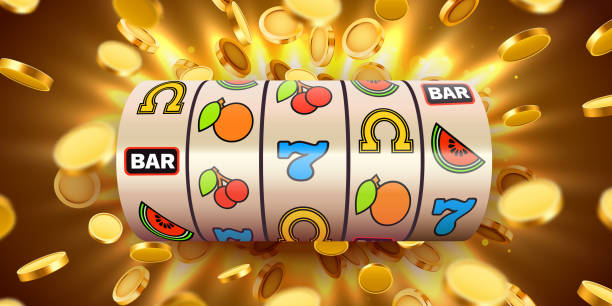

The first is a cue – this is an invitation to take action, like the (almost invariably) red notification on your favourite app. Second comes the routine – which is the action that you take, like pushing the button. Finally comes the reward, which is what reinforces the behaviour. The more compelling the reward, the stronger your urge to take action will be the next time the cue arises.
Daily Rewards and Missions as Retention Tools

As any frustrated dieter will attest, habits are formed over months and even years. For a behaviour to stick, we have to be consistent. It’s partly for this reason that gaming companies offer daily rewards, and streak-based incentives to keep playing.
This isn’t always manipulative or nefarious. Free web services like the popular typing tutor website Monkeytype.com often provide the ability to track streaks, and even to gain experience points over time. They do this because a good habit, like practising how to type, can ultimately benefit the person who develops it.
Variable Reinforcement and Dopamine Response
Our brains have adapted to react more strongly to variable rewards than to fixed ones. This is something that B.F. Skinner famously observed in laboratory rats, which would obsessively press a lever in pursuit of a randomly released food pellet. Gaming companies understand this.
In many cases, randomness is built into the activity. A slot machine cannot always pay out. Sometimes, however, a designer will deliberately contrive randomness. You might think of the items of ‘loot’ dropped by a powerful boss character in an online role-playing game. The fact that the loot is never the same makes it more exciting!
Behavioural Data and Personalised Habit Triggers
Different players respond differently to different kinds of cues. Gaming companies can work out our preferences with the help of characteristics like our age, but they can also monitor our behaviours directly, and devise tailored cues that promote habit formation and long-term player retention.