
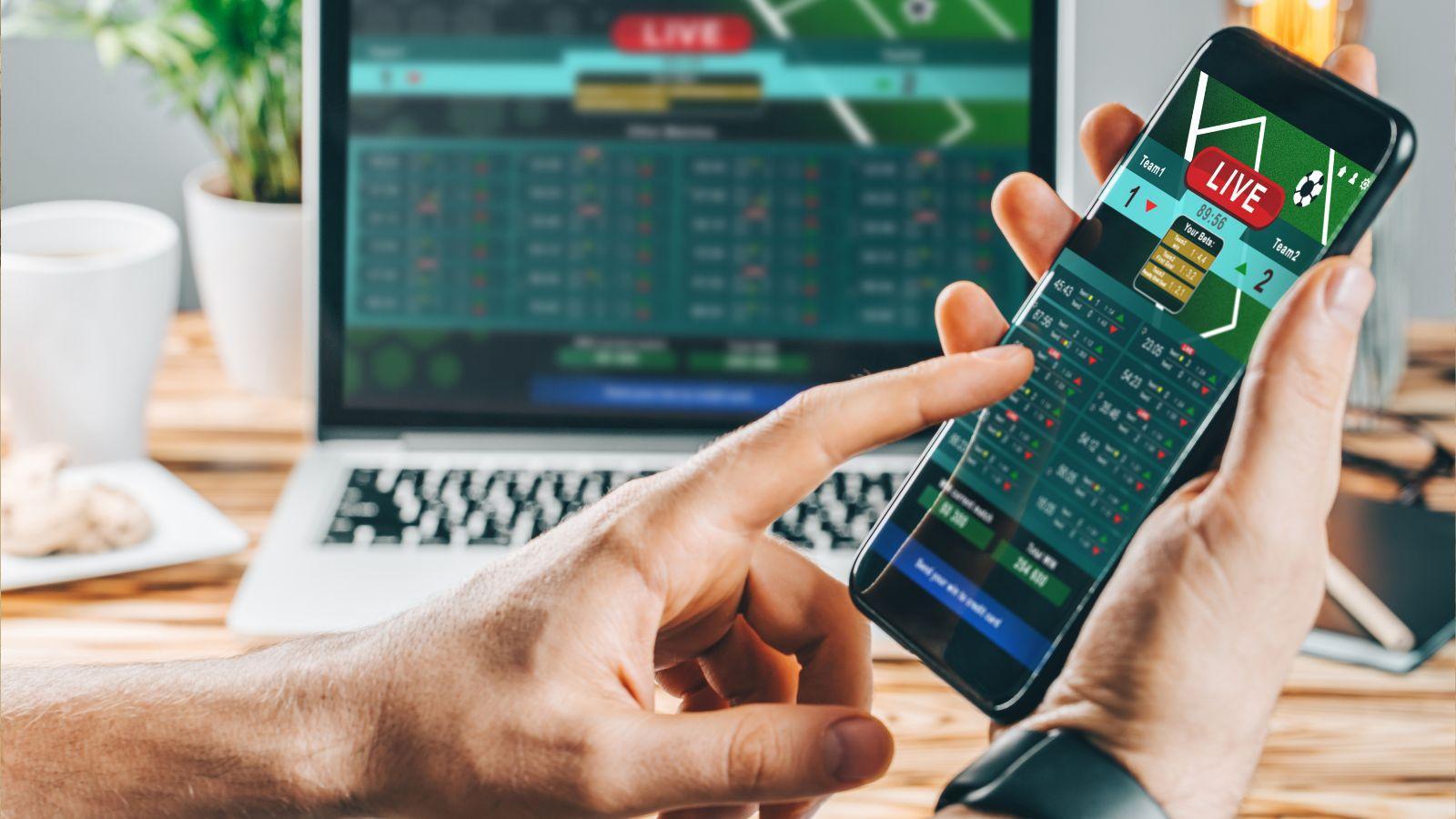
A football match does not suddenly become live the moment the referee blows the whistle. For a sports betting platform, the change begins earlier, while players are warming up, broadcasters are discussing the line-ups and supporters are making their final checks.
During those last minutes before kick-off, the platform is preparing to move the fixture from one technical environment into another. Pre-game markets must close at the right time, live data feeds need to connect, and the match clock has to begin without sending users to a different page. It should feel like one continuous experience, even though a great deal is changing behind the screen.
When the process is handled well, most users barely notice it. They open the match before kick-off, follow the odds and remain on the same page once the ball starts moving.
The pre-game page is already preparing for live action
Before kick-off, a football event is mostly built around information that is already known. The teams, scheduled start time, competition and available markets can all be loaded well in advance.

The odds may still change as new information arrives. Confirmed line-ups can alter expectations, particularly when a key striker is missing or a manager selects a more attacking formation than expected. Weather, injuries and late team reports may also affect the market before the players walk onto the pitch.
A platform needs to absorb those updates without making the fixture page difficult to follow. Users visiting Betway can explore different sports betting markets before kick-off, compare the available options and remain on the event as it moves into live play. The transition should not feel like the original page has closed and another one has taken its place.
That continuity matters because many users already have the match open. Some may be reviewing the team sheet, while others are placing a sports bet in the final few minutes. Sending everyone back to the home page at kick-off would turn a simple process into an unnecessary search.
Pre-game markets cannot simply remain open
Once the match starts, many pre-game markets are no longer suitable. A market based on the match beginning at 0-0 cannot remain unchanged after an early goal, red card or penalty.
The platform therefore needs to stop accepting certain selections at precisely the right point. This is not always as simple as following the scheduled kick-off time. Matches can begin late because of ceremonies, crowd issues or broadcasting delays.
The live data feed provides the more reliable signal. Once the fixture is confirmed as underway, the pre-game markets can close and the live versions can begin taking their place.
There may be a short period when some markets are suspended. That pause allows the system to confirm the match status and avoid accepting a sports bet based on information that is already out of date.
From the user’s perspective, a brief suspension may look like inactivity. In reality, it often shows that the platform is waiting for dependable information rather than guessing.
Live odds respond to more than goals
A goal creates the clearest change, but live odds move for many reasons. A red card can alter the balance of the match. Sustained pressure may change expectations around the next goal, while the time remaining gradually affects every market.
The platform receives match events and sends them through pricing systems that reassess the current situation. Those systems consider the score, clock and other relevant details before publishing updated prices.
This needs to happen quickly, though speed is not the only concern. An incorrect update can create more confusion than a short pause. If the data feed reports a goal that is later disallowed, the platform must correct the score and review any affected markets.
Traffic rises as kick-off approaches
The transition also creates a test for the platform’s servers. Many users arrive during the final minutes before a major match, especially once the confirmed line-ups have been released.
They may all open the same fixture, check their balances and move through the available markets at roughly the same time. Then, at kick-off, the page begins receiving constant live updates.
A platform that performs well during a quiet afternoon may struggle under that sudden demand. The event page needs to remain responsive while the system processes scores, odds changes and betslip requests in the background.
Strong infrastructure does not make the rush disappear. It makes the user less aware of it. The match loads, the clock starts and the page continues working without forcing repeated refreshes.
Behind that simple flow are data providers, pricing systems, servers and account tools all reacting to the same event. They need to agree on whether the match has started, what the current score is and which markets can remain open.
That is the real role of the tech behind live sports betting. On Betway, it takes a match that is constantly changing and turns it into a page that still feels organised. The user follows the football or basketball game, while the platform handles the movement from one stage to the next without putting all the work happening behind the screen on display.
